


 Pete Permitor
Last Updated: November 1, 2026
Quick Summary
You become a certified permit expediter by completing a permit expediting training program, then applying for a professional certificate through an industry body such as the National Association of PERMITORS. No national license exists, so you must also verify your state and local filing rules separately.
A permit expediter is a professional who moves building permit and business license applications through local government review on behalf of owners, contractors, architects, and developers.
The job is part paperwork, part relationship management. Most of your week goes to assembling submittals, tracking review comments, and keeping projects from stalling in a queue.
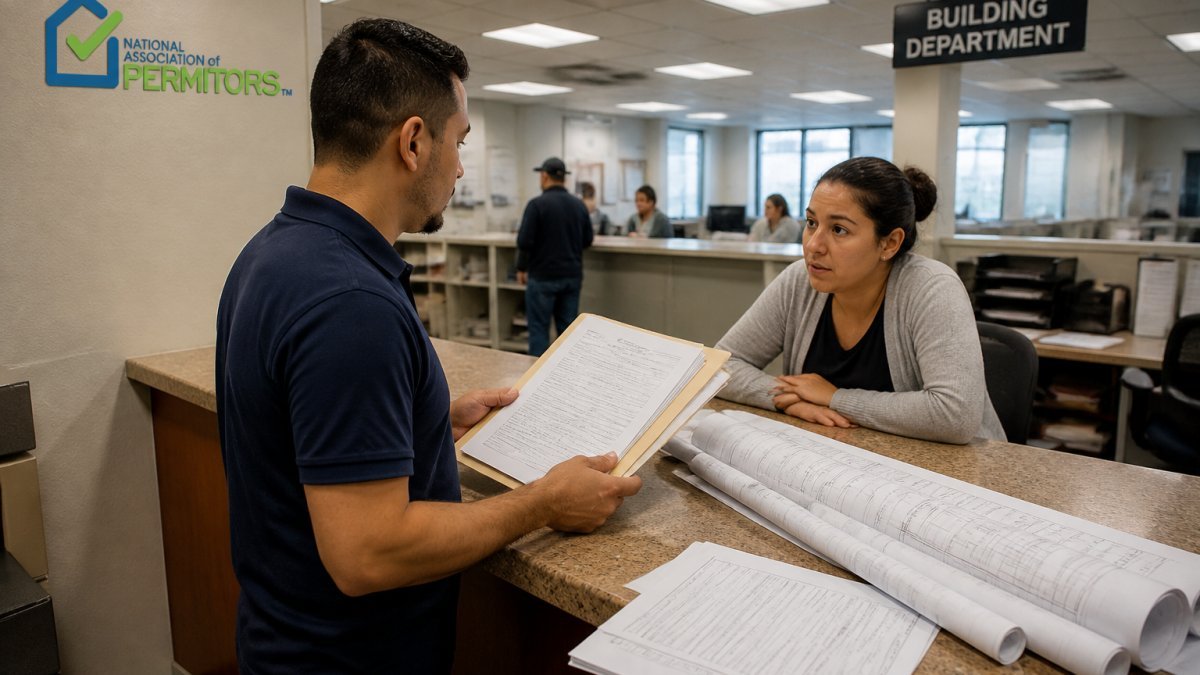
Your daily work revolves around a handful of recurring tasks:
You will talk to plan reviewers, clerks, inspectors, architects, engineers, and property owners. Clear communication skills matter as much as code knowledge here.
Most expediters run their work through a mix of spreadsheets, email, and a tracking system. The weak point is almost always visibility: the client asks for a status update, and nobody has a clean answer.
A shared tracking tool changes that. Track application submittals and provide real-time updates so every client can see where their project stands. A common mistake is treating tracking as an afterthought.
There is no single national license for permit expediters. Requirements come from three places: your state’s business rules, your local jurisdiction’s filing practices, and what clients expect from you. The practical skill is knowing how to check each one instead of guessing.
Permit rules vary by city, county, and state, and they change. A filing rule that was fine last year may be rejected this year. Use this verification sequence before you take on work in a new market:
State occupational licensing database lookup
No degree is required. Most people enter from construction, architecture, engineering, or project coordination backgrounds, and that experience is what makes a permit application credible. If you are starting fresh, a training program fills the gap faster than trial and error at a counter.
The skills that decide whether you succeed:
Three things trip up new expediters more than anything else:
Document what you learn for each jurisdiction. A simple one-page sheet per city, filing rules, portal, reviewer contacts, typical review time, becomes your most valuable working asset.
Yes, a permit expediter certification exists, and it is a professional credential rather than a government license. That distinction matters, and it is the question most people asking how to become certified permit expediter actually need answered.
Certified PERMITORS: Mastering the Essentials to Become an Expert Permit Expediter →
These three terms get used interchangeably, but they are not the same thing:
At the National Association of PERMITORS, we issue a certificate to enter the building permit and business license expediting field. It signals that you understand the permit process, the documentation, and the professional conduct clients should expect. Learn more about who stands behind the certificate.
Before you invest time in any credential, ask these questions:
For a solo expediter in a small market, a recognized certificate is often the difference between a cold call and a serious conversation. It gives a client a reason to trust you before you have a track record, and it gives you a structured way to learn the process instead of learning it one rejected application at a time.
The credential is a starting point, not a finish line. Pair it with jurisdiction-specific knowledge, the filing rules, portals, and reviewer contacts covered in the requirements section.
Good training covers the whole permit lifecycle, not just forms. You need to understand how a submittal moves from intake to plan review to approval, and where it typically stalls.
Our e-learning tools, seminars, and workshops are built around that lifecycle. If you want to see what is available, you can browse the e-learning courses for permit expediters and pick the track that matches your background.
Watch out: training that only teaches you to fill out application forms leaves you stuck the first time a reviewer sends back comments. Learn the review logic, not just the paperwork.
Here is the path we recommend for anyone asking how to become a certified permit expediter, from first step to first client:
| Step | What You Do | Typical Time |
|---|---|---|
| 1 | Learn local requirements | 1-2 weeks |
| 2 | Complete training | 2-6 weeks |
| 3 | Earn certification | Varies by track |
| 4 | Register your business | 1-2 weeks |
| 5 | Join the marketplace | Days |
| 6 | Deliver and track | Ongoing |
One thing we want to be clear about: we do not offer permit expediting services ourselves.
We also secure payments from both sides. We hold funds from the client until the service is done, and we collect from the permit expediter when the service is done.
Register with the National Association of PERMITORS and put your certificate to work. Complete your registration here.
No state requires a permit expediter certification to work, and there is no single mandatory government credential for the role. Certification is a professional credential that shows you have completed structured training and understand building codes, zoning regulations, and the permit process. Many property owners, architects, and contractors prefer to work with a certified permit expediter because it signals accountability and verified knowledge, especially on complex projects that involve multiple government agencies.
Most building permit expediter requirements center on practical knowledge rather than a specific degree. Useful qualifications include familiarity with construction documents, plan review, and local municipal regulations, plus strong communication and organizational skills. Experience in construction, architecture, engineering, or project coordination helps, but it is not mandatory. Completing permit expediting training and earning a certification through a professional association gives you a structured way to demonstrate those qualifications to clients.
Yes. Construction experience helps you read plans and anticipate code compliance issues, but many people enter the field from administrative, customer service, or project coordination backgrounds. The key is learning how the permit process works, how to prepare application forms and supporting documentation, and how to track submissions through review comments and inspection scheduling. A structured training program and a certification help close the knowledge gap and give clients confidence in your ability.
Certified expediters find work through contractor and architect referrals, direct outreach to developers and property owners, and professional directories that connect clients with verified providers. Joining an industry association and listing your credentials in a directory puts you in front of people actively searching for help with permit approval and business license delays. Building a track record of on-time submissions and clear communication turns one project into repeat business and referrals.
The permit process rewards people who prepare. If you are ready to build a credible practice instead of learning the hard way at the counter, join the National Association of PERMITORS. You get a professional certification, e-learning tools and workshops, and access to a verified network of clients, all with no monthly fees. Get started with the National Association of PERMITORS and turn your permit knowledge into a career.
Forget about complicated procedures! With us, getting permits is easy, secure and fast. Start your process today!
Explore, purchase, and simplify your permit acquisition journey at PERMITORS. Unlock opportunities effortlessly!
Copyright 2025 © National Association of PERMITORS. All Rights Reserved.

Leave Your Comment